|
A WEEKLY DISPATCH · EST. 2026
|
OCTOBER 2026
|
|
|
THE AD
JUNKIES
|
PAID ADS,
UNFILTERED.
SAFE FOR WORK
|
|
|
BY ADAM NAGY
// THE AD JUNKIE
// NO FLUFF / NO GURUS
|
|
|
№14
|
AD JUNKIES // WEEKLY UNFILTERED AD BREAKDOWNS
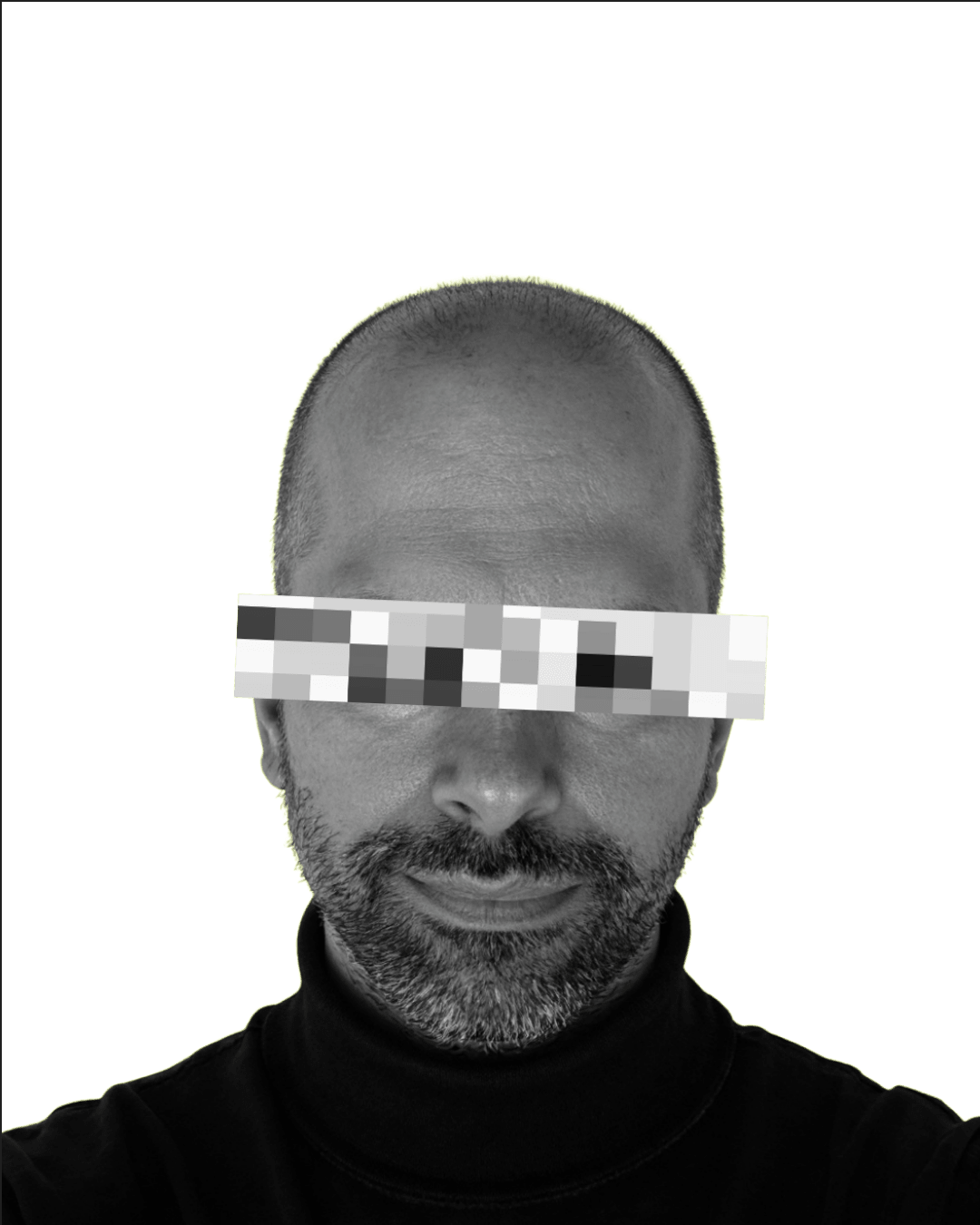
A DISPATCH BY ADAM NAGY
|
READ TIME
~6MIN
|
|
|
Ads That Hijack Attention
|
The ad that names exactly who it is looking for.
STATIC AD · CALLOUT FORMAT · SELF-IDENTIFICATION
|
|
|
|
HEY THERE.
Sometimes an ad tries to persuade everyone. More features. More benefits. More proof. More reasons to click.
Then another ad appears with one giant word: “WANTED.” Your brain knows the format immediately. Someone is looking for something. A person. A skill. A specific type of business. Then you read the next line to see whether it might be you.
That is what makes “WANTED” and “LOOKING FOR” ads so effective. They begin with selection. They call out a clear group and let the viewer qualify themselves. Patisserie owners. Dog parents. People who built an app with AI. Homeowners planning a renovation. If the description fits, the ad suddenly feels personal.
We are seeing these callout formats perform incredibly well across ad accounts right now. And the funniest part? They do not need much design. A polished version can work. A plain message typed into the Notes app can work too. The strength comes from the callout.
|
- Adam
|
FOUNDER / THE AD JUNKIE
|
|
|
|
THIS WEEK'S BREAKDOWN
THE “WANTED”
CALLOUT AD
|
EDITOR'S PICK
|
|
|
FORMAT
STATIC IMAGE
|
PLATFORM
META
|
STRUCTURE
CALLOUT / SELF-IDENTIFICATION
|
DIFFICULTY
LOW / HIGH ROI
|
|

|
|
FIG. 14 — THE “WANTED” CALLOUT FORMAT, 2026
THE ACTUAL AD
|
|
|
“WANTED.” “AI-built apps already out in the world.” “Built with AI. Now live. Ready for a security check?” “Run a free scan.”
Who we want. Why we want them. What they should do next. There is no long introduction. The audience receives the message first.
|
|
A
|
WHY IT STOPS THE SCROLL
|
|
|
“WANTED” is a familiar signal. We associate it with recruitment posters, classified ads, public notices and old Western movies. The word suggests that someone is actively searching. That creates an immediate question: Looking for what? The viewer reads the next line to resolve it.
Then the specificity takes over. “AI-built apps already out in the world.” Most people will keep scrolling. The right person may think:
That is exactly what I built. The ad does not need universal attention. It needs recognition from a narrow group.
The large type also makes the message easy to process. One word earns the pause. One line identifies the audience. One button gives them the next step.
|
|
|
|
B
|
WHY IT ACTUALLY CONVERTS
|
|
|
The ad removes a common piece of work from the customer’s mind: “Is this service relevant to me?” The answer is immediate. If you built an app with AI and it is already live, this message is aimed at you. That clarity reduces hesitation.
The wording also turns the offer into an invitation. Magniscan is looking for AI-built apps. The founder is being invited to take part. That feels different from a generic message such as: “Get a free website security scan.” The offer becomes connected to identity. You built something with AI. You shipped it. Now you are the type of person Magniscan wants to scan.
The free scan makes the next step easy. The call to action is clear and low-friction.
|
|
|
|
|
|
Five psychological mechanisms sit behind the callout. Each one does a different job.
|
|
01 — SELF-IDENTIFICATION
People notice labels that describe them. “Shopify store owners.” “New dog parents.” “Founders who built with AI.” The viewer quickly decides: that is me, or that is not me. When the description fits, the rest of the ad receives more attention. The audience has already placed themselves inside the message.
|
02 — SELECTIVE ATTENTION
People are surrounded by information. The brain filters most of it out. Words connected to our identity, goals and current situation are more likely to break through. An AI builder will notice “AI-built apps” much faster than a general message about cybersecurity. The callout helps the right information reach the right person.
|
|
03 — THE CURIOSITY GAP
“WANTED” and “LOOKING FOR” are incomplete statements. They demand another line. Wanted what? Looking for whom? The viewer needs to continue reading to complete the thought. The curiosity is small, immediate and easy to resolve. That makes it useful for fast-moving feeds.
|
04 — COGNITIVE FLUENCY
The format requires almost no explanation. People understand recruitment-style messages. The structure feels familiar: WANTED. Target group. Requirement. Next step. The brain knows where to look and what each line means. Easy-to-process messages are easier to act on.
|
|
05 — INVITATION FRAMING
The audience is being selected. That can make the offer feel more exclusive and relevant. The advertiser appears to be searching for a specific type of person. The viewer feels approached rather than broadly advertised to.
|
|
|
|
|
|
D
|
WHY THESE ADS ARE WORKING
|
|
|
The feed is full of polished creatives. Detailed graphics. Beautiful product photography. Heavily edited videos. The “WANTED” format moves in the opposite direction. It is direct. It looks more like a notice than a campaign.
That simplicity can become the pattern interrupt. It also handles targeting inside the creative. The platform finds the audience through data. The message confirms the match through language.
That second layer matters. Even perfect media targeting can underperform when the creative speaks to everyone. A clear callout lets the customer know why the ad reached them.
|
|
|
|
E
|
THE PLAIN NOTES VERSION
|
|
|
Here is the useful part. You can test this format without designing anything. Open the Notes app. Type:
TYPE THIS INTO NOTES
WANTED:
People who built a website or app with AI and want to see what a security scan finds.
Run a free scan.
Take a screenshot. Use it as the ad. You could also begin with “LOOKING FOR:” or “Calling all…”
The plain version often works because it feels native. It resembles a personal note, quick announcement or ordinary text post. There is less visual polish separating the message from the surrounding feed. The words carry the creative.
This makes it fast to test several audiences and angles. Change one line. Take another screenshot. Launch the variation.
|
|
|
|
|
|
Both versions can work.
|
THE DESIGNED VERSION GIVES YOU
▸ Stronger brand recognition
▸ More control over hierarchy
▸ A clearer visual system
▸ Space for a branded CTA
|
THE NOTES VERSION GIVES YOU
▸ Faster production
▸ A native, casual feel
▸ Easy angle testing
▸ Very little visual distraction
|
I would test them against each other. The plain creative may win because it feels less like an ad. The branded creative may win because it creates more trust. The audience and offer will decide.
|
|
|
|
G
|
WHERE THIS FORMAT WORKS
|
|
|
|
ECOMMERCE
“WANTED: Dog parents whose camera roll is 95% their dog.”
“LOOKING FOR: People who are tired of replacing cheap phone cases.”
“WANTED: Skincare lovers dealing with dry winter skin.”
The callout should name a recognisable identity or frustration.
|
SAAS
“WANTED: Shopify stores losing customers after their first order.”
“LOOKING FOR: Founders who built an app with AI.”
“WANTED: Teams still managing projects through spreadsheets.”
The format works especially well when the product serves a clear user type.
|
AGENCIES & SERVICES
“WANTED: Patisserie owners who want more online cake orders.”
“LOOKING FOR: Founders who have become the entire marketing department.”
“WANTED: Ecommerce brands spending on ads without a creative strategy.”
The business owner should recognise their situation immediately.
|
CREATOR & PERSONAL BRANDS
“WANTED: Freelancers ready to charge more.”
“LOOKING FOR: First-time marathon runners.”
“WANTED: Creators who keep running out of content ideas.”
The callout can introduce a course, resource, membership or lead magnet.
|
|
|
|
|
|
Start by finishing this sentence: “We are looking for…”
Be specific. Avoid broad labels such as: “Business owners.” Go closer: “Cake shop owners who want more online orders.” Or: “People who built a site with AI and have no idea what security gaps it may contain.”
Then give them one reason to care. Then one next step. The complete structure can be:
WANTED
[Specific audience]
[Problem, goal or qualifying detail]
[Simple CTA]
That is enough.
|
|
|
|
|
|
A broad callout weakens the whole format. “WANTED: People who want better results” says very little. Almost everyone qualifies. There is no satisfying moment of recognition.
The strength comes from specificity. You may exclude more people. That is fine. The creative is helping the right audience notice themselves.
The offer also needs to match the callout. If you name one group and send them to a generic landing page, the personal feeling disappears. Carry the same audience language through the click.
|
|
|
|
|
|
The fastest way to make an ad feel relevant is to name the person it is for. “WANTED” gives that callout a familiar frame. The viewer understands it immediately. The right person recognises themselves. The offer arrives with context. And the entire concept can be designed in detail or typed into Notes within thirty seconds.
|
|
|
|
9/10
|
THE VERDICT
The ad that tells the right person it is looking for them. One word earns the pause. One line does the targeting.
|
APPROVED
BY ADAM
|
|
Insight
9/10
|
Craft
8/10
|
Distribution
9/10
|
Stealability
10/10
|
|
|
Anyway.
Your next ad may need fewer selling points.
Try starting with: “We are looking for…”
See you next issue.
- Adam
@THEADJUNKIE
|
|
|
━━━━━━━━━ END OF BREAKDOWN ━━━━━━━━━
|
|
TWO WAYS TO GO DEEPER
COMMUNITY &
THE
AGENCY.
| COMMUNITY
|
|
AD JUNKIES
|
|
A Skool community for marketers who think seriously about ads. Weekly teardowns, swipe files, no-gurus policy.
|
| ▸ Live monthly teardown calls
|
| ▸ Swipe file (tagged + searchable)
|
| ▸ No course-sellers, no gurus
|
|
| FREE TO JOIN
|
| JOIN THE BACK ROOM →
|
|
| AGENCY
|
|
KLIKS
|
|
Where Adam applies this thinking — paid ads and creative as one system that drives revenue. We're picky.
|
| ▸ Strategy, creative and buying
|
| ▸ Senior team — no juniors hidden
|
| ▸ Limited client intake
|
|
| APPLY TO WORK WITH US →
|
|
|
|
THE AD
JUNKIES
A WEEKLY DISPATCH BY ADAM NAGY
|
|
© 2026 THE AD JUNKIES — ALL ADS BORROWED, NO ADS SACRED.
|
EST. 2026 · MADE BY ONE TIRED HUMAN
|
|